
New Report Finds Uinta Basin VOC Emissions Nearly 50 Percent Lower than Previous Estimates
Wednesday July 6, 2016
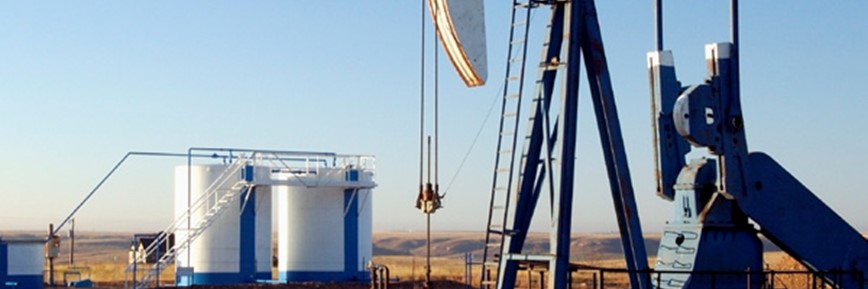
The first phase of a new report examining air quality in Utah’s Uinta Basin has found volatile organic compound (VOC) emissions are significantly less than previously estimated. This report – the outcome of a multi-year collaboration between the Utah Division of Air Quality (UDAQ), Environmental Protection Agency (EPA) Region 8, and the Ute Indian Tribe – shows VOC emissions basin-wide are about half of previous estimates, with a more than 62 percent drop in Duchesne county and about a 34 percent drop in Uintah county.
Analyzing data from over 96 percent of wells in Uintah and Duchesne counties, the report’s findings further discredit activists’ exaggerated claims about the impact of oil and natural gas activities on the air quality in the region. Groups like Utah Physicians for a Healthy Environment (UPHE) have criticized oil and gas development in Utah for years, and even recently petitioned the State to increase air regulations. But the data tell a very different story.
According to the report, VOC emission levels from various pieces of equipment and components used in energy production were found to be substantially lower across the board. For example, in Duchesne, dehydrators were found to produce 95 percent less VOC emissions than previous estimates; for Uintah, it was over 84 percent less. This is important because VOCs are thought to be a main contributor to ground level ozone (smog), which groups like UPHE often point to in their calls for increased regulations on oil and natural gas. These results show, however, that steps taken by operators to mitigate emissions have helped improve air quality through the reduction of VOC emissions. As the press release states:
“Like in other oil and natural gas basins, the new inventory revealed primary VOCs have lower potency for driving ozone.”
The press release continues,
“[T]his downward revision of VOC emissions is yet another example of how ...